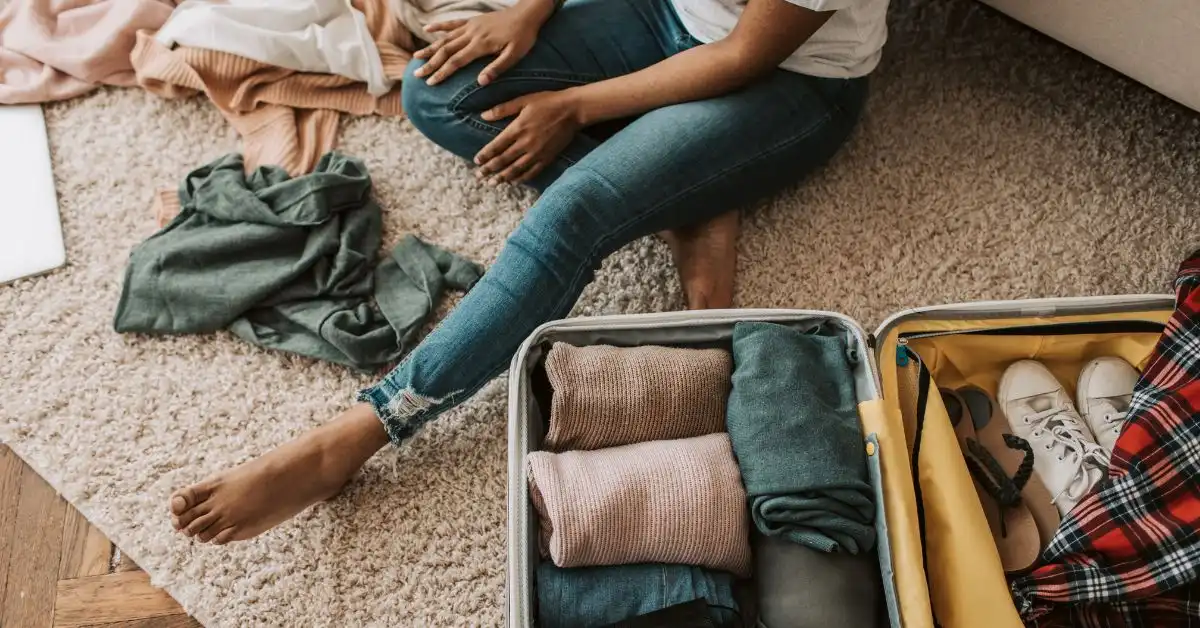
Overpacking creates a quiet kind of stress.
Not the dramatic kind you feel at the airport, but the daily kind. The kind that shows up when your bag is too heavy to carry comfortably. When your room feels cluttered. When you keep digging for things you don’t actually use, while the few items you rely on are buried somewhere underneath.
I learned this the slow way.
Packing for short trips taught me how to prepare for possibilities. Packing for a month of slow travel taught me how to prepare for real life.
This post is the packing list I’ve arrived at after multiple long stays. It’s not minimalist. It’s not aesthetic. It’s practical, flexible, and designed to support routine rather than novelty.
If you’re looking for a packing list for vacation, this may feel different. That’s intentional. Slow travel asks for a different relationship with your belongings. You’re not visiting. You’re living somewhere briefly, and what you pack should help you feel settled, not constantly adjusting.
Consider this a baseline travel packing list. A starting point is that you can adapt to your climate, work, and lifestyle.
Why packing for a month is different from packing for a trip
When you pack for a short trip, you plan for variation. Different outfits. Different moods. Different versions of yourself.
When you pack for a month, you plan for repetition.
You’ll rewear clothes. You’ll develop favorites. You’ll reach for the same few items again and again, not because they’re exciting, but because they work.
Overpacking during slow travel creates friction. Too many options mean more decisions. More laundry stress. More things to manage.
So I pack with a simple question in mind: What will I realistically use every week?
That question shapes everything that follows.
How my packing approach evolved
I used to pack “just in case.”
Just in case I wanted to dress differently.
Just in case the weather changed.
Just in case I needed something specific one day.
Most of those items went untouched.
Over time, I realized that slow travel rewards familiarity. Wearing the same clothes, using the same objects, and repeating the same small routines helps a place feel livable faster.
Now, I pack to support my days as they actually unfold. Quiet mornings. Work hours. Walks. Simple meals. Rest.
This packing list reflects that shift.
A note before the list
This is not a rulebook.
Your packing list will change depending on climate, culture, length of stay, and whether you’re working while traveling. Use this as a travel checklist you can return to and adjust, not something to follow rigidly.
I’ve grouped items by function rather than by trend. Each category exists to reduce daily friction and make long stays feel steadier.
Clothing: built for rewearing and layering
For slow travel, I pack clothes I don’t get tired of wearing.
I choose neutral pieces, comfortable fabrics, and items that layer easily. The goal isn’t variety. It’s reliability.
What I focus on:
- Tops I can wear multiple times without feeling sloppy
- Bottoms that work across different days and activities
- Layers that handle temperature changes without needing new outfits
- One or two pieces that feel “nice” without being precious
I pack fewer clothes than I used to, but I pack better ones. Things that feel good on my body and don’t require mental effort to wear.
Laundry becomes part of life during long stays, so I pack assuming I’ll wash clothes regularly. That mindset alone reduces overpacking.
Work essentials: only what supports real work
If I’m working while traveling, I pack only what I actually use.
Not what I might use. Not what looks professional in theory.
My work essentials usually include:
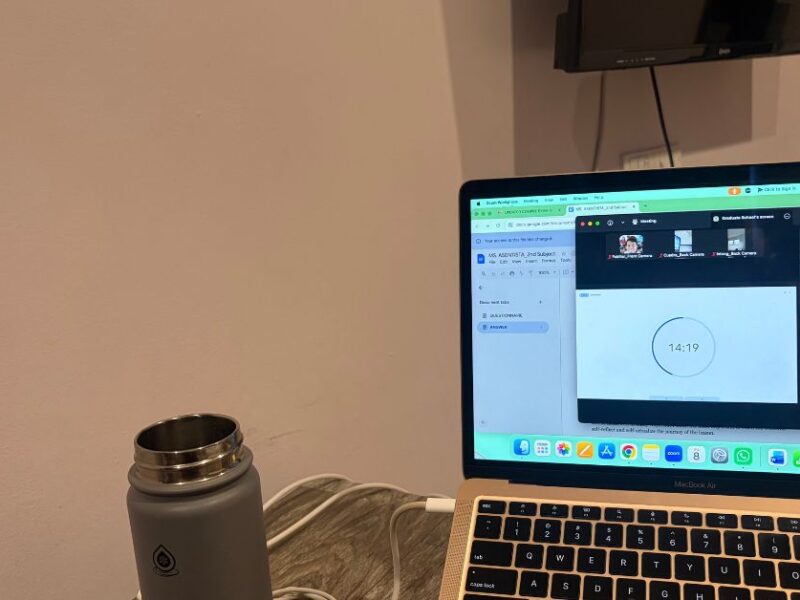
- Laptop and charger; laptop stand (optional but I prefer bringing one)
- One reliable pair of headphones
- Any small accessories that support focus or comfort
I don’t pack backup devices unless absolutely necessary. I trust that most cities can provide replacements if something breaks. Carrying too much “work security” creates physical and mental weight.
This approach fits naturally with my Work + Wander routines. Work should feel integrated into daily life, not like a separate system I’m hauling around.
Toiletries and personal items: familiar and functional
Toiletries are where comfort shows up quietly.
I pack items that help me feel like myself. Familiar skincare. Basic personal care. Nothing experimental.
What matters most to me:
- Products I already know work for my skin and hair
- A small, consistent routine rather than many products
- Items that help me feel clean and comfortable after long days
I don’t pack large quantities unless I know they’ll be hard to find. Most things can be replaced locally, and buying them there often helps me feel more rooted in the place.
Tech and documents: calm redundancy, not excess
This part of the travel packing list is about security without paranoia.
I carry:
- Essential documents (passport, IDs, copies stored digitally)
- Phone and chargers
- One power adapter if needed. I bought an Omni Universal Travel Adapter as it has various types like if you go to Singapore, Korea, Vietnam and other places.
I avoid packing excessive backups. Instead, I rely on preparation. Cloud storage. Knowing where documents are. Keeping things organized.
This is one area where a simple travel checklist helps reduce anxiety without adding bulk.
Items that support routine and comfort
These are the quiet heroes of slow travel.
They don’t look impressive, but they shape how your days feel.
Depending on the trip, this might include:
- A notebook or book I’ll actually read
- A lightweight bag/ tote bag for daily walks or errands. I usually prefer something that I can put my laptop into since I also sometimes work on cafes.
- Small items that support sleep, focus, or downtime
These are the things that make a place feel familiar faster. They help me settle into routines without thinking about it too much.
I’d rather pack one item that supports daily comfort than three items meant for rare scenarios.
What I deliberately don’t pack
This matters just as much as what I bring.
I don’t pack:
- Clothes for hypothetical versions of myself
- Gear for activities I’m unlikely to do
- Items meant to solve every possible inconvenience
Slow travel teaches you that most things can be adapted. Overpacking assumes you won’t adapt. I’ve learned to trust that I will.
Packing as preparation, not control
Packing used to feel like a test. As if getting it “right” would determine the success of the trip.
Now it feels more like care.
Care for my energy. Care for my body. Care for the version of myself who will arrive tired and need things to be easy.
This is how packing supports slow travel. Not by anticipating everything, but by removing small frictions so daily life can unfold naturally.
If this packing list helps you feel calmer and more settled as you prepare for a long stay, then it’s done its job.
You don’t need to pack perfectly.
You just need to pack in a way that lets you live.
Frequently Asked Questions
1. How is packing for a month of slow travel different from packing for a short trip or vacation?
Packing for a month focuses on repetition and routine rather than variety. Instead of planning for many versions of yourself, you pack for the life you’ll live most days. This usually means fewer clothes, more rewearing, and items that support comfort over novelty.
2. Is this packing list meant to be followed exactly?
No. This list is a baseline, not a rulebook. Your climate, culture, work setup, and personal preferences will change what you need. The goal is to help you pack calmly and intentionally, not perfectly.
3. How do you avoid overpacking without going fully minimalist?
I focus on what I’ll realistically use every week. Anything meant for rare or hypothetical scenarios usually stays home. This approach isn’t about owning less, but about carrying what actually supports daily life.
4. What if I’m working while traveling? Do I need more gear?
Not necessarily. I pack only the work items I use regularly, like my laptop, charger, and headphones. Slow travel works best when work fits naturally into your routine, not when you’re carrying extra equipment “just in case.”
5. What if I forget something important?
Most things can be replaced locally, especially during long stays. Trusting that reduces the pressure to anticipate everything. Packing for slow travel is less about control and more about giving yourself enough stability to adapt once you arrive.