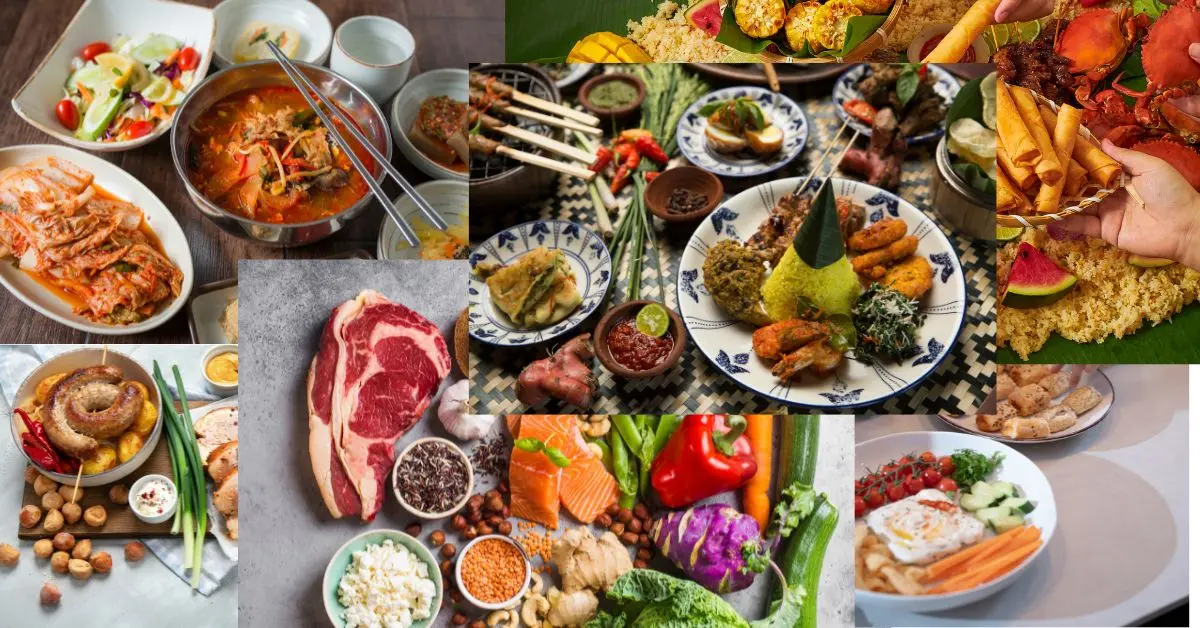
Some foods stay with me long after the trip ends, but rarely for the reasons people expect.
It’s not the dish with the longest line or the most dramatic plating. It’s the bowl I ate three times in the same week because it was nearby and comforting. The bread I picked up every morning without thinking. The soup that tasted slightly different each day, depending on who was cooking and how busy the stall was. These are the quiet details of food culture that settle into memory, the kinds of meals that belong to daily life rather than performance.
Food, for me, is less about discovery and more about recognition. Less about asking what should I eat here? and more about noticing what keeps showing up?
That’s how I taste a place.
Not through chasing restaurants or ticking off “must-eat” lists, but through repetition, routine, and the quiet food moments that happen when no one is trying to impress anyone.
This post is how I experience food and travel together, especially when I’m staying somewhere long enough for meals to become part of daily life. It’s also a guide to how I’ll write about food under Travel → Food & Flavor on CharlielotteWanders. If you’re looking for rankings or recommendations, this won’t be that. If you’re curious about how food becomes a way to understand a place from the inside, you’re in the right space.
Food as memory, not spectacle
Food and memory are closely linked, but not always in grand ways.
When I think back on places I’ve lived in briefly, I remember flavors the way I remember sounds or light. A certain kind of rice at lunchtime. The smell of frying oil in the late afternoon. A sweet drink that marked the end of the day.
These memories aren’t dramatic. They’re quiet and cumulative. They come from eating the same things again and again, until the food stops being “interesting” and starts being familiar.
That familiarity is what grounds me in a place. It’s how a city moves from being somewhere I’m visiting to somewhere I’m temporarily living.
This is why food travel, as I practice it, looks very different from culinary tourism as it’s usually framed. I’m not trying to sample everything. I’m trying to notice what food does in everyday life, how it fits into routines, how it shapes the rhythm of the day.
Why chasing restaurants distorts food travel
There’s nothing wrong with enjoying a good restaurant. But when food travel becomes centered on chasing restaurants, something subtle gets lost.
Restaurant hopping turns meals into events. It compresses food into highlights. It asks you to constantly evaluate, compare, and move on. You eat with one eye on your phone and one eye on what’s next.
Over time, I realized that this approach distorted how I understood places. I was consuming food without understanding its role. I knew what was famous, but not what was normal.
In many destinations, the food that shows up on “must-eat” lists isn’t what locals eat on an ordinary day. It’s often food designed for visitors, or food pulled out of its daily context and turned into an experience.
That’s where traditional culinary tourism can feel hollow to me. It treats food as an attraction, something to be conquered or completed. It rewards novelty over continuity.
I don’t want to complete a cuisine. I want to live alongside it for a while.
A gentle note on food crawl meaning
People often ask about food crawls, so it’s worth pausing here.
The food crawl meaning, in its simplest form, is moving from place to place to try multiple dishes or venues in a short period of time. It’s designed for variety and efficiency. You taste many things quickly, often with the goal of comparison or coverage.
I understand why people enjoy this. It can be fun, social, and energizing.
It just isn’t how I taste a place.
Food crawls keep me in motion. They pull me away from routine and into performance. They make food something I pass through rather than something I return to.
For slow travel, I’m more interested in what happens when I stop moving. When I eat the same breakfast three days in a row. When I learn which stall is quieter in the afternoon. When I stop choosing and start recognizing.
That’s not better or purer. It’s simply aligned with how I want to live while I’m traveling.
Food as part of daily life, not a side quest
When I stay somewhere for weeks, food becomes infrastructure.
It’s not something I plan around. It’s something I fold into my days the way I would at home. Grocery runs. Simple meals. Familiar flavors. Occasional treats that feel earned, not scheduled.
This is where food and travel intersect most honestly for me. Food becomes a way to measure how settled I feel.
I pay attention to small things. Where do people eat when they’re alone? What’s open early in the morning? What do people grab when they’re tired, not celebrating?
Markets become especially important. Not as cultural showcases, but as functional spaces. A market tells you what’s in season, what’s affordable, what people cook without ceremony. You see repetition there too, the same faces, the same transactions, the same rhythms.
Even street food, which is often romanticized, reveals different meanings when you’re not rushing through. You notice which stalls are daily stops and which are for visitors. You learn the difference between food that’s eaten quickly and food that’s relied upon.
These distinctions matter. They tell you how food supports life, not just taste.
Different types of food cultures, seen slowly
Staying in one place long enough has taught me that there are many types of food cultures, and they don’t all announce themselves loudly.
Some places revolve around street food that’s integrated into daily schedules. Others center on home-style cooking, with markets and takeaways filling in the gaps. Some cultures emphasize ritual meals tied to time of day, season, or family structure. Others value simplicity and repetition over variety.
When you move slowly, you start to see these patterns without needing them explained. You feel when lunch is supposed to be light. You notice when dinner stretches late. You learn which foods are associated with workdays and which appear only on rest days.
This kind of understanding doesn’t come from trying everything. It comes from eating like someone who lives there, even imperfectly.
I don’t try to cook everything myself, and I don’t try to eat “authentically” in a performative way. I simply let food settle into my days and watch how it shapes them.
Repetition as a form of belonging
Repetition is underrated in food travel.
Eating the same thing more than once does something subtle to your sense of place. The second time, you’re less focused on taste and more on context. The third time, the food becomes a marker. You’re not just eating it, you’re returning to it.
That return creates a small sense of belonging. The vendor might recognize you. You might stop checking the menu. You might know exactly how hungry you need to be for that meal.
These moments are quiet, but they matter. They’re how a place starts to feel less foreign.
When I write about food by city, this is what I’ll focus on. Not standout dishes, but recurring ones. Not what impressed me, but what stayed with me. What I craved again, not what I posted once.
Food as listening, not consuming
At its best, food travel isn’t about taking. It’s about listening.
Listening to how people feed themselves. Listening to what’s practical, what’s comforting, what’s habitual. Listening to what food says about time, labor, care, and rest.
When I stop trying to optimize my meals, food opens up. It becomes less about opinion and more about relationship. I’m no longer asking whether something is “good” or “worth it.” I’m noticing how it fits.
That shift changes everything.
It slows me down. It pulls me into the present. It reminds me that culture isn’t something you conquer with a fork. It’s something you sit with, repeatedly, until it starts to feel familiar.
That’s how I taste a place. Not by chasing restaurants, but by letting food become part of the life I’m briefly living.
And that’s how I’ll continue to write about food here. Not as a critic, not as a guide, but as someone paying attention.
Frequently Asked Questions
1. What do you mean by tasting a place through food, not restaurants?
Tasting a place means noticing how food fits into everyday life rather than chasing standout meals. It’s about repetition, routine, and the kinds of food people eat when they’re not trying to impress anyone.
2. How is this approach to food travel different from culinary tourism?
Traditional culinary tourism often centers on highlights, rankings, and efficiency. My approach focuses on lived experience. Instead of sampling as much as possible, I pay attention to what food does in daily rhythms and how it supports ordinary life.
3. Do you avoid restaurants entirely when traveling slowly?
No. Restaurants can be part of daily life, especially casual or neighborhood places. I simply don’t organize my travel around restaurant hopping or must-eat lists. Food fits into my days rather than dictating them.
4. What is a food crawl, and why don’t you travel that way?
A food crawl usually involves visiting multiple food spots in a short period to try many dishes quickly. While it can be enjoyable, it keeps food in a constant state of novelty. For slow travel, I prefer returning to the same meals and places so food becomes familiar rather than performative.
5. Can this way of experiencing food work for short trips too?
Yes. Even on shorter stays, choosing one or two familiar food routines can ground you in a place. The goal isn’t duration, but shifting attention from consuming variety to noticing how food shapes everyday life.

One thought on “Tasting a Place Through Food Culture, Not Restaurant Lists”
Comments are closed.